
Indio to plant 500 shade trees across parks and private yards to fight extreme heat
Powered by a $2.9 million state and federal forestry grant, Indio is set to receive 500 native and drought-tolerant trees. Half will line city parks and streets, while the other 250 will be distributed to residents.
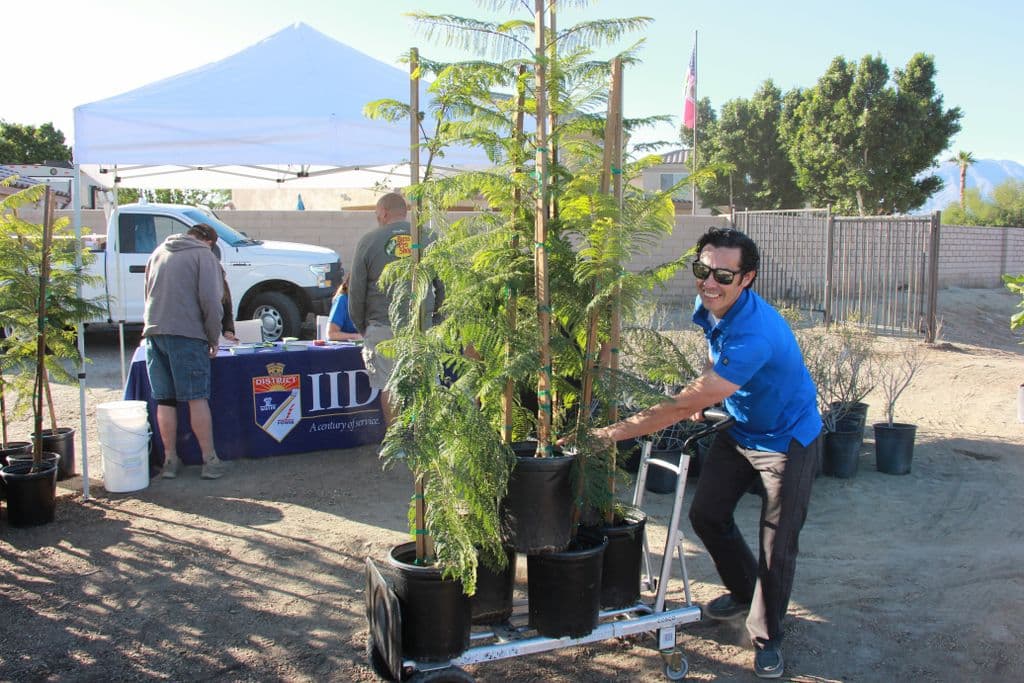
Indio will receive 500 shade trees through a regional grant program aimed at cooling desert neighborhoods, city staff told the Sustainability Commission on Monday.
Coachella Valley Association of Governments (CVAG) and Imperial Irrigation District (IID) received a $2.9 million grant through the California Department of Forestry and Fire Protection and the federal Inflation Reduction Act for the Shade Trees for Southern California’s Deserts initiative, staff said.
The initiative is being implemented across multiple cities, with thousands of trees to be planted regionally over three years.
Indio will receive a mix of native and drought-tolerant species, split evenly between public and private spaces.
“250 of the 500 will be put in private spaces and the other 250 will be put in public spaces,” staff said. “So these can be in public parks, along streets, and also at homes.”
The program’s goals include reducing extreme heat, improving air quality, lowering energy use and building climate resilience.
Trees are expected to be planted by the end of 2027.
IID and CVAG will handle outreach and intake for the private-property trees, while city departments will determine placement of the public trees, staff said. A commissioner asked who would decide which tree species go where and who would supply the trees.
Staff said the decision will be “a collaborative effort” involving multiple city departments, including parks and streets staff. The trees will arrive in 15-gallon containers, and the city will be responsible for their long-term care after planting.
“Most of these are desert trees,” staff said. “They’re very specific species that once they’re established should not need any more irrigation.”
The grant is targeted toward disadvantaged and underserved communities but will be available throughout the city.
Author

Related Articles

Indio working to finish veterans memorial by November, plus updates on several other public art projects
Indio is working to debut a new veterans memorial and launch a high-tech art tour app.
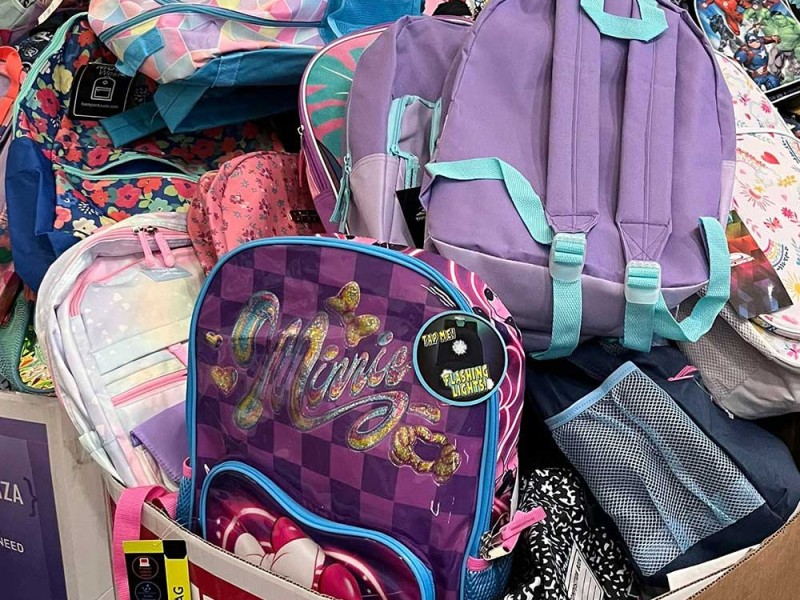
Coachella Valley Rescue Mission collecting backpacks, supplies for valley students ahead of new school year
The Coachella Valley Rescue Mission’s annual drive runs through Aug. 4, with a drive-thru distribution event set for Aug. 8 in Indio.
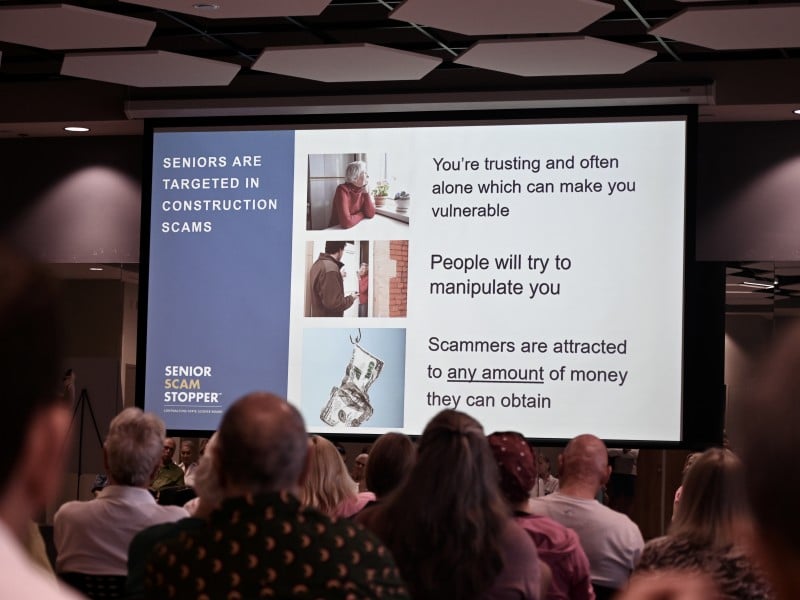
Assemblymember brings state agencies to Coachella Valley for senior scam seminar
With older Americans losing a staggering $7.7 billion to fraud last year, a multi-agency panel held locally revealed how modern scammers use easily available tech and psychological manipulation to exploit loneliness.