
History museum’s train car project gets board approval
The vintage stainless steel sleeper car, originally transported from Indiana, will be transformed into an homage to the Southern Pacific sunset limited dining and lounge cars of the 1950s.
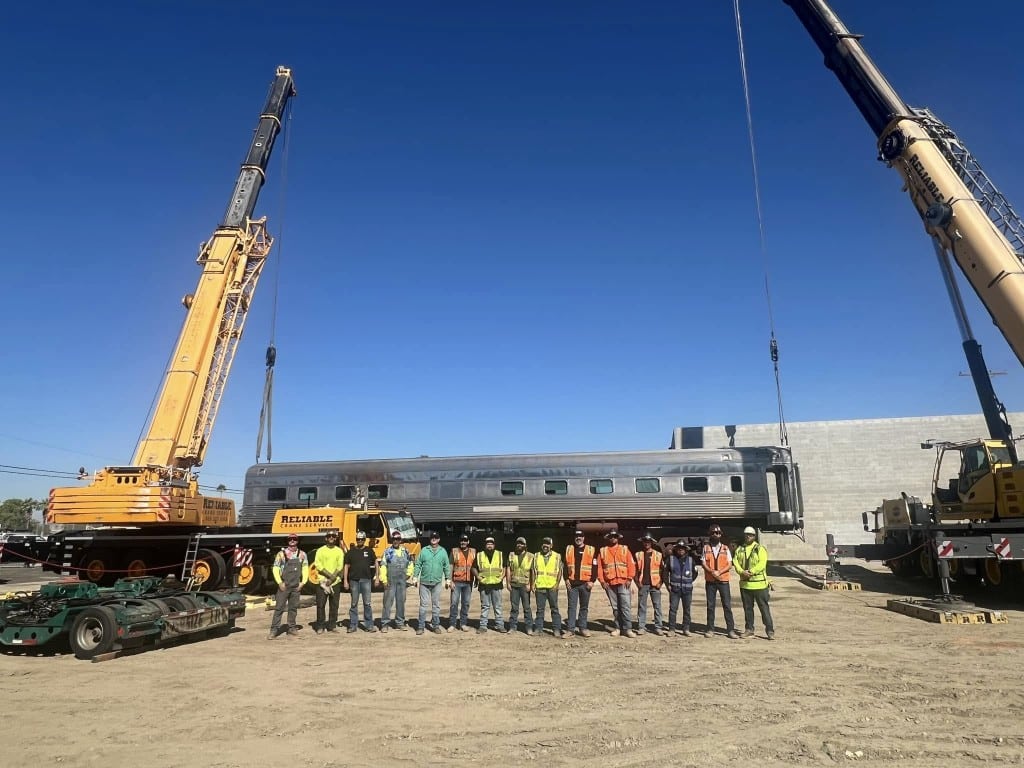
The Coachella Valley History Museum board has approved interior designs for a $1.5 million project to convert a 1950’s railroad car into an event venue that officials say could transform the East Valley’s cultural landscape.
The board voted this week to move forward with the final phase of the ambitious project that has been in development since 2017. The vintage stainless steel sleeper car, originally transported from Indiana, will be transformed into an homage to the Southern Pacific sunset limited dining and lounge cars of the 1950s.
“This is going to be a game changer for the museum and probably the East Valley, not just Indio,” said Commissioner Gloria Franz, who sits on the museum board, during last week’s Indio Planning Commission meeting.
The converted car, to be designed by locally-based interior designer Patricia Lockwood of Design Vision Studio, will seat 40 people inside with an additional 80 seats planned for an outdoor platform. Museum officials envision the space hosting engagement parties, retirement celebrations and other private events while also serving as an educational exhibit about the region’s railroad history.
They’re not just putting in some tables and chairs and calling it a day. The intricate plans call for the train car to honor different stops along the railway.
“It’ll have a little piece of the LA Metro dining car, the New Orleans lounge car, and the Texas breakfast car,” Franz said.
The story of rail is the story of Indio. The city sprang to life in 1876 as a railroad town when the Southern Pacific Railroad built lines between Yuma, Arizona and Los Angeles. The city’s first permanent structure was the Southern Pacific Depot Station and Hotel, serving the rail workers who needed a break during the nearly 300 mile journey.
The project will blend historical authenticity with modern technology. Plans include screens along the windows and color-changing mood lighting.
The project will also include construction of an exhibit room focusing on rail history, water conservation, and how workers in the desert used to stay cool.
The unassuming wooden structure, called a “desert submarine,” hides an ingenious secret. It was used by workers in the Coachella Valley in the 1920s and provided a shaded sleeping room for about eight by 10 feet. The small structure would route water from a water tower down over the burlap-covered metal walls, cooling the interior through evaporation.
“There are very few of these left,” Franz explained. “This one is an original and the contractor said if you move it or touch it, it’s going to disintegrate.”
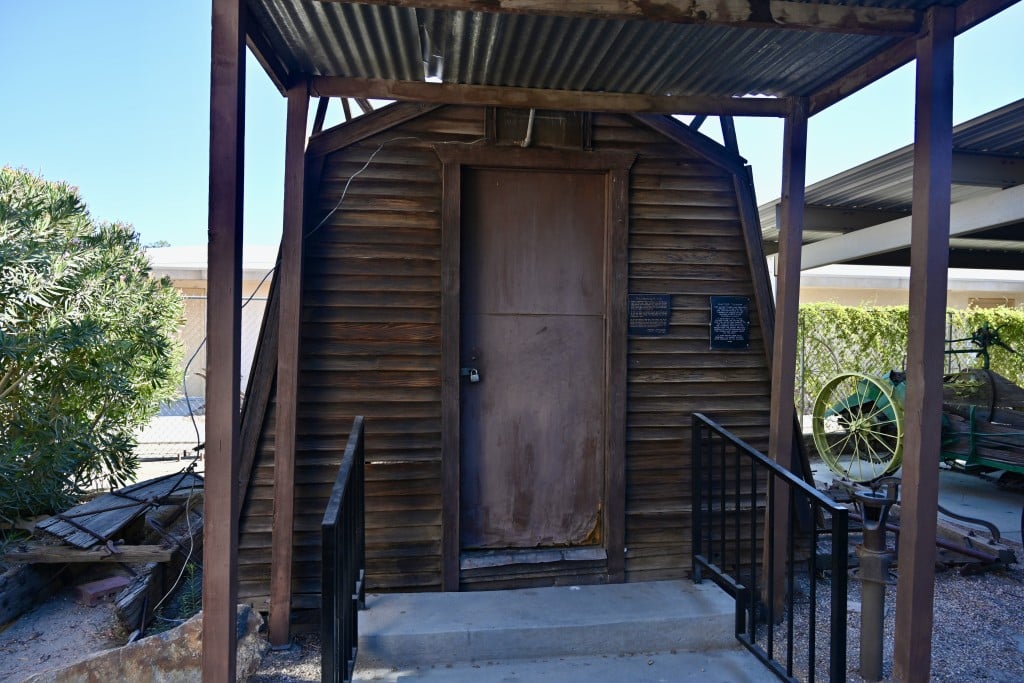
That’s why another part of the project is the construction of a replica desert submarine for visitors to step inside and experience the early evaporative cooling tech for themselves.
Museum officials said the total project cost has grown from an initial estimate of $500,000 to as much as $1.5 million, largely due to cost increases during the COVID-19 pandemic. The museum has already invested between $200,000 and $250,000 to acquire the car and transport it to the site.
What started as an assemblage of antique farm materials and a house from 1926 has grown into a thriving museum and cultural site aiming to tell the history of the valley. Over the years, it has collected items and whole buildings that showcase that history like the 1909 Indio school house and the water tower from the M.H. Whittier ranch.
Now, with the train car project another vital piece of the city’s history will be preserved and opened up to the community.
Author

Related Articles

Indio police to get more drones for CV Link patrols
The extra drones come amid a valley-wide push for more surveillance tech like Flock cameras.
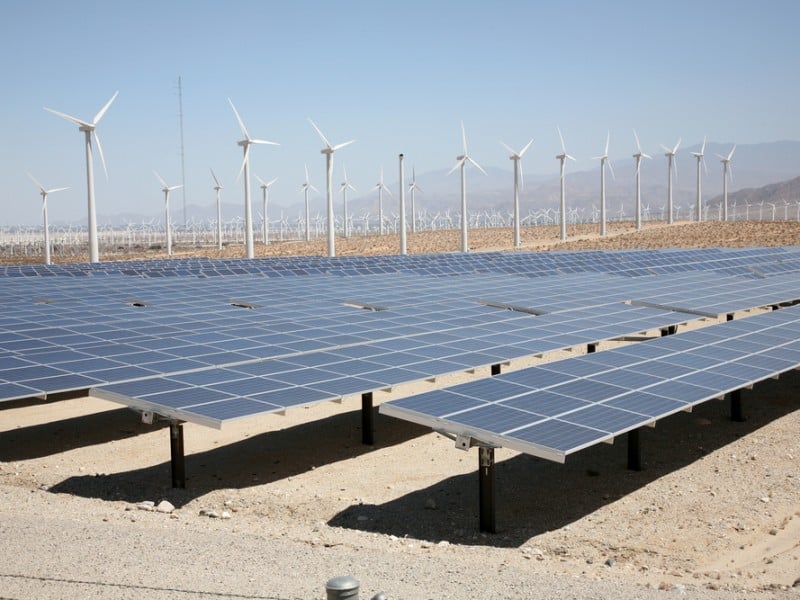
Indio targets $27.5M state grant for solar homes, EV chargers, and new trails
After a failed earlier bid, Indio is revamping its strategy for a multimillion-dollar state climate grant that could fund solar, EV charging, walking trails and other green projects.
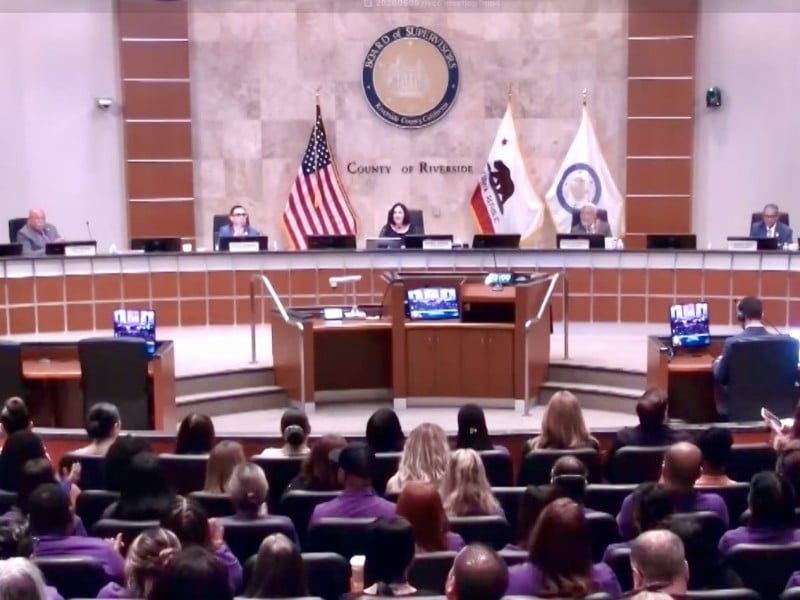
Riverside County approves $10.3 billion budget, drawing on reserves as departments warn of funding gaps
From pauses in hiring countywide to the future of senior meal programs, Riverside County’s newly approved $10.3 billion budget reveals how deep funding gaps will force tough choices on local services.