
Indio weighs changes to Highway 111 specific plan as housing development lags behind commercial growth
Four years into Indio’s Highway 111 Corridor Specific Plan, city planners report that commercial projects are outpacing residential development. Planning commissioners reviewed potential code updates Wednesday.
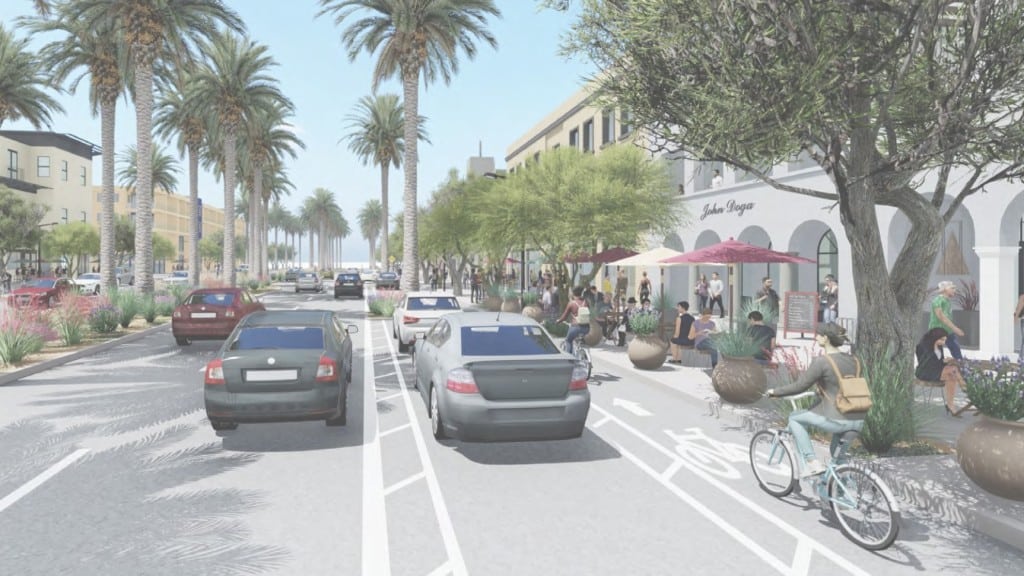
The Indio Planning Commission on Wednesday reviewed a status report on the four-year-old Highway 111 Corridor Specific Plan and offered input on potential amendments to building height requirements, signage rules and limits on drive-through and other auto-oriented uses.
Community Development Director Brian Halvorson told the commission the plan, adopted by the City Council in 2022, has been amended once in 2024, to rezone 10 parcels within the plan area. The plan covers roughly a quarter mile on each side of Highway 111 between Jefferson Street and Indio Boulevard, an area of about 950 acres divided into West Gateway, Midtown and East Gateway segments.
Halvorson said the plan requires buildings up to three stories, but most projects approved in the corridor have been single-story. He said a master plan development permit required for some projects adds an extra layer of review that the department could streamline.
The plan also calls for more than 500 residential units in the corridor, but, “we’re not seeing residential being built, we’re seeing commercial being built,” Halvorson said. “That is a challenge to get that residential component.”
He also said the plan limits certain auto-oriented land uses, such as drive-through restaurants, banks and gas stations, to between 16 and 20 total across the corridor’s subareas, and about half of those have already been used.
Chair Gloria Franz said she did not want to see auto-oriented uses or digital signage expanded in the corridor, citing earlier community input on the plan’s vision. She said she would support lowering the minimum building height from three stories to two but not eliminating the requirement altogether.
Not yet ready to make any formal recommendations, Franz added, “This space is kind of unique, and sometimes it’s better to wait for what we really want than to settle for something that doesn’t fit the vision of what we would like that area to be.”
Other commissioners suggested more green space and mixed use development.
Recent projects in the corridor include a Starbucks, a digital sign, the first phase of the Grand Marketplace mall under construction and the approved Madison Point project. Other approved projects remain in early stages, including a 206-unit housing development and 119-key hotel.
Halvorson said staff will compile input from the Planning Commission and the Community Services Commission for a presentation to the City Council next month. Following council direction, the city plans to hire a consultant to draft amendments to the plan.
Author

Related Articles

Indio approves 240-unit affordable apartment complex near Jefferson Street
The Indio Planning Commission unanimously approved the Avenue 42 Apartments, an eight-building complex featuring 237 income-restricted units. Rents will range from roughly $650 for a one-bedroom to over $2,000 for a four-bedroom.

Indio single-family home prices dip to $605,000 as condo market sees a slight gain
Median single-family home prices in Indio fell 2% over the past year, while condo prices edged up 2% to $286,000, making Indio one of just two valley cities with rising attached home values.
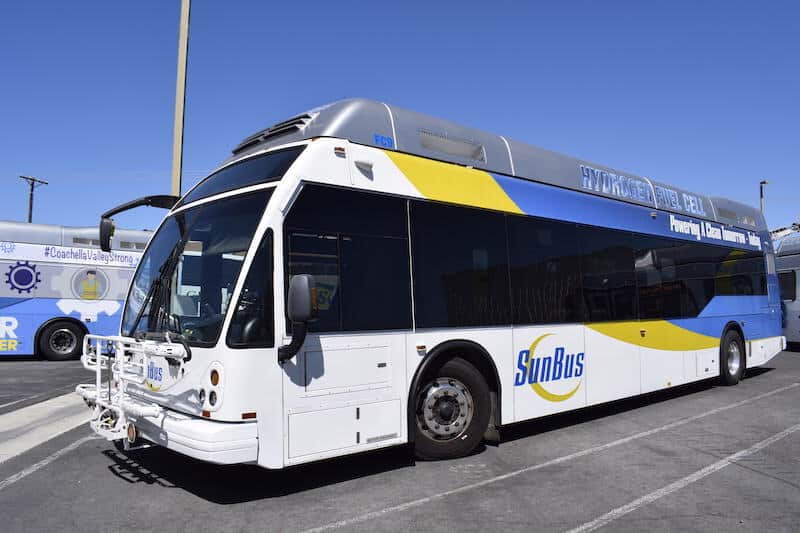
Coachella Valley survey shows lean toward transit coverage over speed, as SunLine plans for bus route overhaul
In a community survey a slight majority favored more bus service that covers a wider region rather than faster routes.