
Indio sustainability commissioners move to shape data center policy ahead of any local proposal
Though no data center has been proposed for Indio, commissioners want to be proactive and have policies in place before developers come knocking.
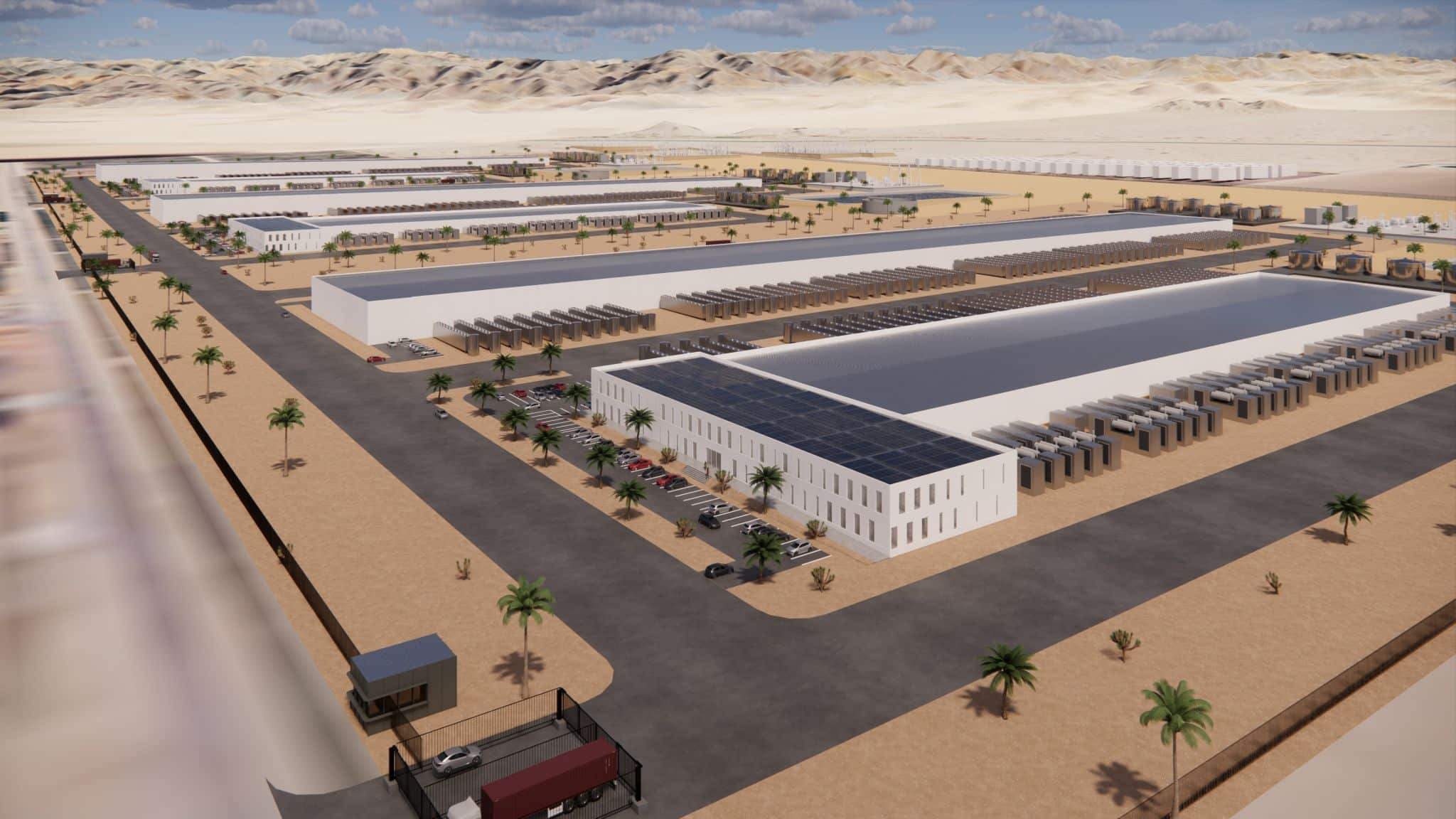
The Indio Sustainability Commission took up the question of large-scale data centers Monday, discussing a potential policy recommendation to the City Council as facilities proposed for Coachella and nearby Imperial County added new urgency to the issue.
The commission, which voted in January to add data center oversight to its official work plan, held its first detailed discussion on the topic Monday, with city staff presenting a broad overview of considerations including energy and water use, air quality, noise, fire suppression, and decommissioning guarantees.
Staff confirmed that no data center has been proposed within Indio’s city limits, a fact that commissioners said should be used as an opportunity to get ahead of the issue.
“If Indio doesn’t have such a proposal right now, I think maybe it is the perfect time to create an ordinance that protects the city,” Vice Chair Celina Jimenez said.
A 950,000-square-foot facility under consideration in Imperial County drew particular concern. According to staff, developers project it would generate $28.75 million in annual property tax revenue—but commissioners said that potential benefit does not offset the risks.
Another data center project in the early exploratory phase is the Coachella Valley Technology Center Campus proposed for Coachella totaling 450 acres that also includes a microgrid.
“It looks like [developers] are very serious and they want to come,” Jimenez said. “And people didn’t say no.”
Major concerns for the commissioners included energy use and cost and water use.
Imperial Irrigation District (IID) has held a public workshop on data centers and is currently working with rate-study consultants to design ratepayer protections—specifically, to figure out how to handle the massive load of potential data centers without unfairly shifting costs onto existing customers.
Though the city wouldn’t have much say in energy rate adjustments, “We here in Indio are unique,” a city staff member noted. “Because we do have the Indio Water Authority. So any of those things, looking into water resources and use and cost, we can do all of that in house.”
AI data centers require millions of gallons of water annually to dissipate the intense heat generated by the machinery, typically requiring potable water to prevent mineral buildup and bacterial growth in cooling infrastructure.
Chair Anetha Lue raised pointed concerns about the lack of transparency in how data center projects are permitted, arguing that developers often obscure their identities by using third-party companies and that residents have had to track applications indirectly.
“The way that people have been finding out about these data centers is they’re looking for a large number of turbines to be permitted, and that’s how they’re able to find the data center,” Lue said. “Residents and community members are having to go through this sort of shadow process.”
Lue also noted that water, not energy, represents the greater long-term threat to the valley. “Water is finite. Once it’s done, it’s done,” Lue said.
Jimenez echoed concerns about the region’s limited resources. “These data centers don’t have to be in our backyard. They can be anywhere. So why here?” Jimenez said. “We already have enough heat.”
Commissioners agreed that each member would reach out individually to their respective City Council liaisons and they also discussed broadening the outreach to county and state legislators.
“I think everybody kind of needs to be somewhat in the loop, because we don’t want to have some things coming down through other connections that might influence any decision making in our community,” one commissioner said.
Commissioners set an end-of-April deadline for submitting additional research and comments to staff, with the goal of building toward a formal policy recommendation.
Author

Related Articles

Valley Sanitary District exploring five-year rate hike in anticipation of major projects
Average residential bills could rise 12%, or $7.51 per month, in each of the first two years under a five-year plan. A public hearing is set for May 12.

Indio Golf Course clubhouse opening pushed back at least another month
“The restaurant’s not ready to go. The pro shop’s not ready. The front entrance is not ready. So we would not be opening until that’s all ready to go,” a city staff member said Tuesday.

Indio City Council approves contracts for new police headquarters building
Council greenlights $3.1 million in site demo and utilities work, with a groundbreaking expected this summer and completion in 2027-28.