
Indio eases massage rules for spas, gyms and wellness businesses
The ordinance lets day spas, salons and fitness studios offer massage alongside other services, reversing a rule that limited it to medical practices only.
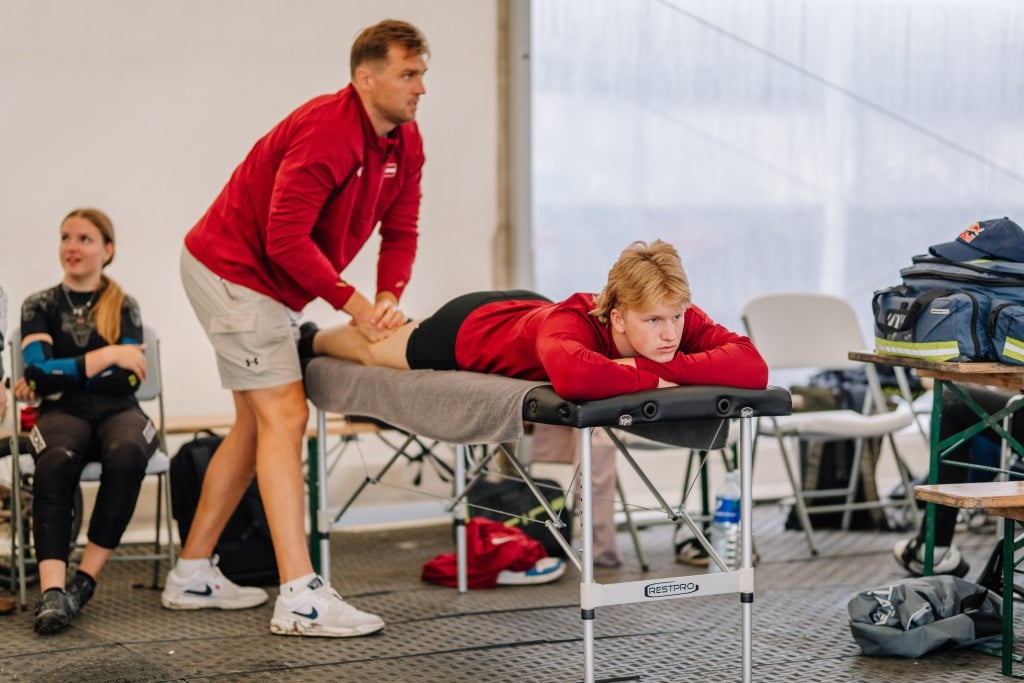
Indio City Council approved an urgency ordinance on Wednesday that allows day spas, salons, gyms, yoga studios and hotels to offer massage as part of a broader service package, ending a rule that had limited the service to medical practices such as chiropractors and physical therapists.
The ordinance deals with “accessory” massages, or treatments that are offered in addition to the primary business use, like a gym or nail salon offering massages. Separately, the city already allows stand alone massage parlors with their own rules.
The change followed a request by business owners hoping to expand and offer massages. Mayor Pro Tem Waymond Fermon referenced their concerns at the Aug. 19 council meeting, when he said the city’s ordinance was “outdated and should be reconsidered” because “legitimate spas and wellness businesses” were unable to offer massage therapy under the existing restrictions. “We’ve even lost some businesses because of this ordinance,” Fermon said at the time.
The new ordinance requires massage to remain an accessory service. It can occupy no more than 25% of a business’s floor area and no more than 40% of its treatment rooms, capped at four rooms, and must share an entrance and reception area with the primary business. Signage advertising massage is limited to 25% of a sign’s total copy area.
Councilmember Glenn Miller raised concerns that businesses could use the “day spa” label to avoid oversight applied to stand-alone massage operations linked to illegal activity. “What gives us the wherewithal when somebody says it’s a day spa?” he said, asking how the city would ensure such businesses could be shut down if they broke the rules, “Especially if there’s illegal activity, if it’s human trafficking or worse, we’ve got to be able to shut it down.”
City Attorney Steven Graham Pacifico said the ordinance’s criteria are meant to answer that question with objective measures rather than judgment calls about a business’s legitimacy, and pointed to signs inspectors are told to watch for. “The biggest issue and telltale that I’ve seen is individuals sleeping or living at the facility,” Pacifico said. “That’s usually our biggest clue that there’s a human trafficking issue there.”
The ordinance also creates a new registration process letting the city suspend or revoke a business’s authority to offer massage, with a one-year bar on reapplying at the same address if revoked. Staff said the most effective enforcement tool is “immediate revocation of their business license,” followed by a court injunction if that fails.
Because the ordinance revises the city’s development code, the council also directed staff to send the changes to the Planning Commission for a public hearing before returning with permanent regulations. The urgency ordinance remains in effect while that process moves forward, and existing businesses have 180 days to come into compliance with its requirements.
Author

Related Articles

Indio Planning Commission delays vote on residential event ordinance after hours of deliberation
Planning commissioners voted 4-1 to continue the proposed permitting framework for weddings and parties, citing a need for more input from residents and event operators.

Homes in Indio are taking longer to sell than anywhere else in the Coachella Valley
Regional real estate data shows buyers are securing steeper discounts across the valley but overall sales remain 23% below historic averages.

Indio’s first independent bookstore coming to former Oasis on Miles music venue
The store would serve as a community-focused literary and cultural hub, hosting author events and arts programming while offering books and merchandise.