
Indio commissioners back new rule that could boost affordable housing
As the only Coachella Valley city with a state Pro-Housing Designation, Indio is aligning its local code with California law to offer extra building incentives for affordable housing.
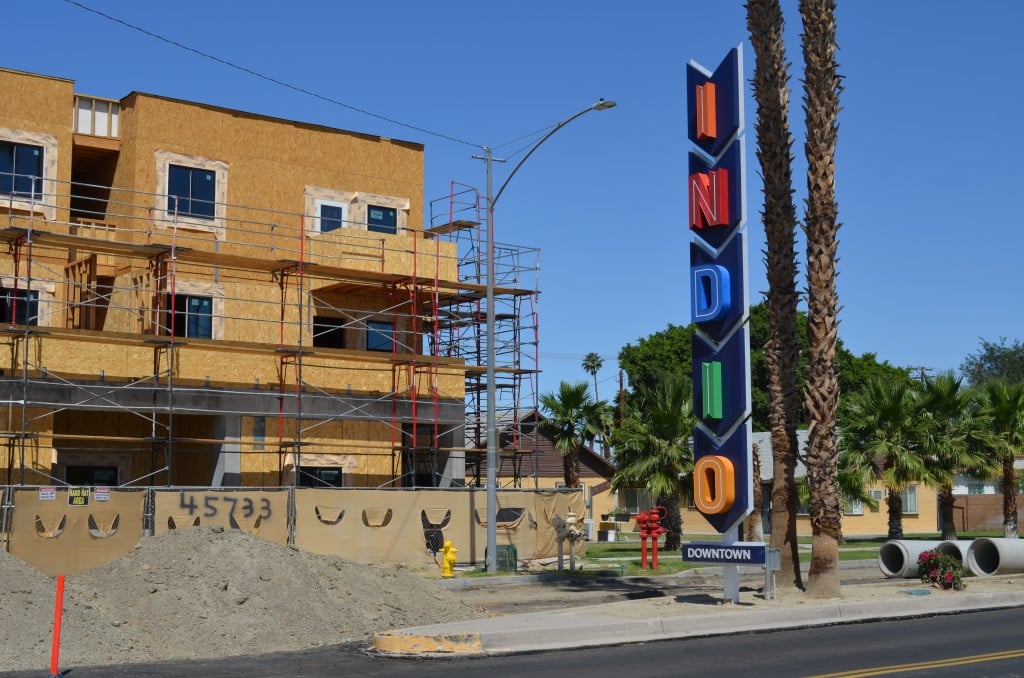
The Indio Planning Commission voted on Wednesday to recommend that the City Council approve a rewritten density bonus law that could allow housing developers to build significantly more units than current zoning permits if they set aside a share of homes for lower-income residents.
The update would move the city’s density bonus rules from one section of the municipal code to another and add a new local incentive on top of what state law already requires.
Under the proposal, a 100-unit project that restricts 34% of its units to low-income renters could qualify for a 65% density bonus, growing to 165 units. A project that instead set aside 25% of its units for very low-income households could qualify for an 88.75% bonus, growing to about 188 units.
The prospect of substantially larger developments prompted questions from the commission chair.
“How are we going to handle traffic, water, sewer, school, police, fire, and other public services in the area, because to have a project go from 100 units to 188 is going to be a significant, a bigger impact,” Chair Gloria Franz asked.
Community Development Director Brian Halvorson said projects would still face environmental review.
“There still is CEQA review of these projects,” Halvorson said. “We look at parking, we look at traffic, and we look at a variety of topics that CEQA requires us to do.”
Consultant Erica Kash, who helped draft the ordinance for the city, said the new local incentive does not exceed what developers could already request under state law and does not loosen parking requirements.
“We are using the exact parking ratios from state law,” Kash said. “We’re not expanding on those at all.”
The added incentive program is required under Indio’s Pro-Housing Designation, a state recognition the city received last year.
The commission voted to recommend the ordinance to the City Council, which is scheduled to consider it in November.
Author

Related Articles

Indio detached home prices dip to $607,000 as condo market drops 13%
Single-family home prices in Indio fell 3% over the past year, while attached home prices tumbled 13% to a median of $286,000.
New Indio coffee drive-through moves forward
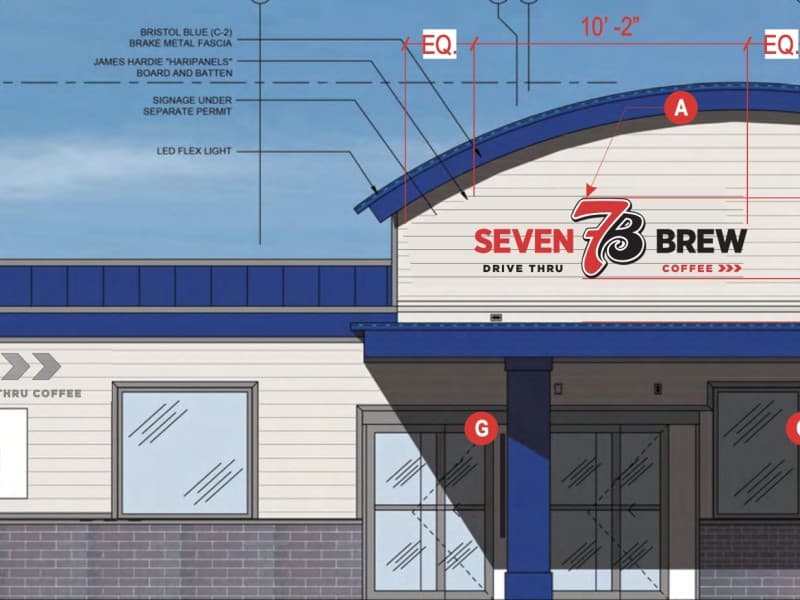
Planning commissioners recommended approval for a 910-square-foot 7 Brew drive-through at the Desert Crossroads Shopping Center.

Indio City Council extends timeline for stalled 3,000-home Citrus Ranch project by up to 20 years
Despite pushback from residents demanding a fresh look at traffic and water impacts, Indio City Council approved a timeline extension for Citrus Ranch. The move keeps the unbuilt 2007 golf course community alive as developers negotiate a pending sale of the 1,183-acre property.