
Economic outlook remains strong for Riverside County’s Fourth District; Indio revitalization accelerates
At the Riverside County Economic Summit, Supervisor V. Manuel Perez said the future for the fourth district looks strong.
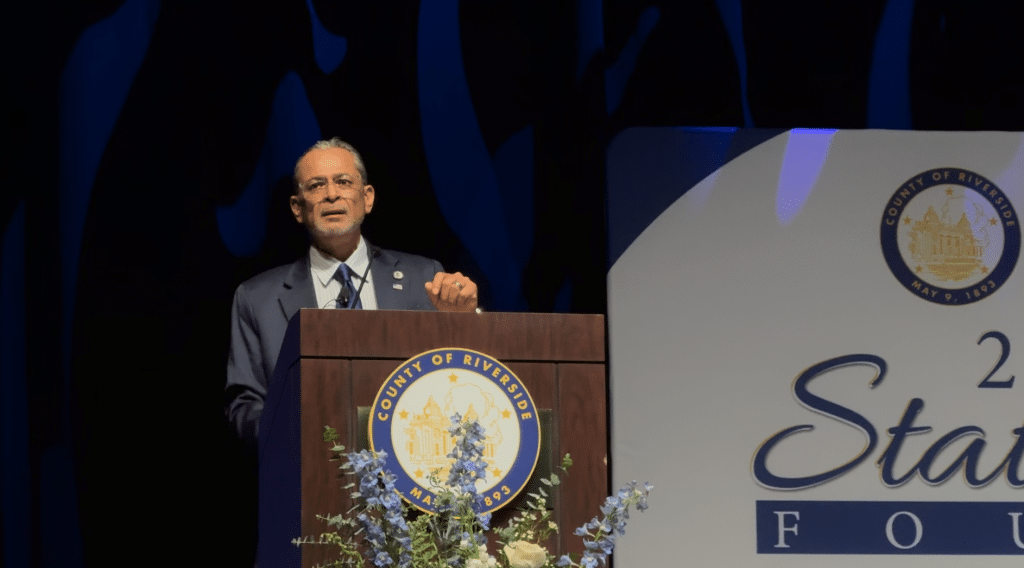
Riverside County’s Fourth District continues to show economic resilience despite turbulent national politics according to Supervisor V. Manuel Perez at the recent 2025 State of the Fourth District and Economic Summit.
More than 650 attendees packed the Fantasy Springs Resort Special Events Center on April 17 to hear the State of the Fourth District from Perez and learn more about the broader economy during a panel discussion.
Dr. Christopher Thornberg, economist and public speaker, told attendees that the Inland Empire is one of the fastest growing regions in the country, and that it’s responsible for 35% of all jobs created in California over the past five years.
The Coachella Valley region specifically has seen its workforce grow from 158,000 prior to the pandemic to 170,000 currently, with notable increases in highly educated workers. Data presented showed a 45% increase in workers with graduate degrees and a 28% increase in workers with bachelor’s degrees over the past decade.
“This is an economy that’s growing up. It has lots of different kinds of jobs, professional jobs,” Thornberg said. “You can see this region advancing beyond its base of tourism to something bigger and better.”
Despite strong local economic indicators, Thornberg warned of potential national economic challenges ahead, citing international trade tensions.
“No matter what happens at any level of the government,” Perez assured attendees, “They will not take what’s rightfully ours and we will not let the Fourth District be devastated.”

(Left to right) Brooke Beare, event emcee, Davis Meyer, VP of Government & Industry Relations for Visit Greater Palm Springs, Ellen Way, President of Riverside County Farm Bureau, Mike Roos, Founder and President of Southern California Leadership Council.
Recently announced tariffs could significantly impact the region’s agricultural sector, which ranks as the second-largest economic contributor behind tourism. In 2023, agriculture contributed $700 million to the local economy.
Ellen Way, president of the Riverside County Farm Bureau, expressed concern about how tariffs and trade disputes could affect local farmers.
“It’s a really difficult question to answer, because it means something different to every single one of the 400 different crops that are grown in California,” Way said.
Way pointed to the declining grape industry in the Coachella Valley as an example of how Mexican and South American imports have affected local agriculture.
Each of the valley’s nine cities were highlighted during the event. Indio’s Economic Development Director Miguel Rodriguez-Cornejo explained in a recorded presentation that the city is undergoing significant transformation that balances new development with preservation of longtime businesses.
He highlighted major developments like the expansion of College of the Desert and a four-story market rate apartment complex under construction.
“Indio is growing in every direction, to the north to the south, but especially in downtown Indio, where I’ve witnessed downtown revitalization from everything to public art to new businesses,” he said.
Looking ahead, Indio is preparing to celebrate its centennial in five years, with officials focused on blending cultural preservation with forward-looking development.
“By honoring the past, we’re going to usher in the future with many more art collections, a lot more changes, but still remaining the identity of who Indio is and providing a space for residents and visitors alike,” Rodriguez-Cornejo said.
Lea esta historia en español, cortesía de nuestros socios El Informador Del Valle
Author

Related Articles
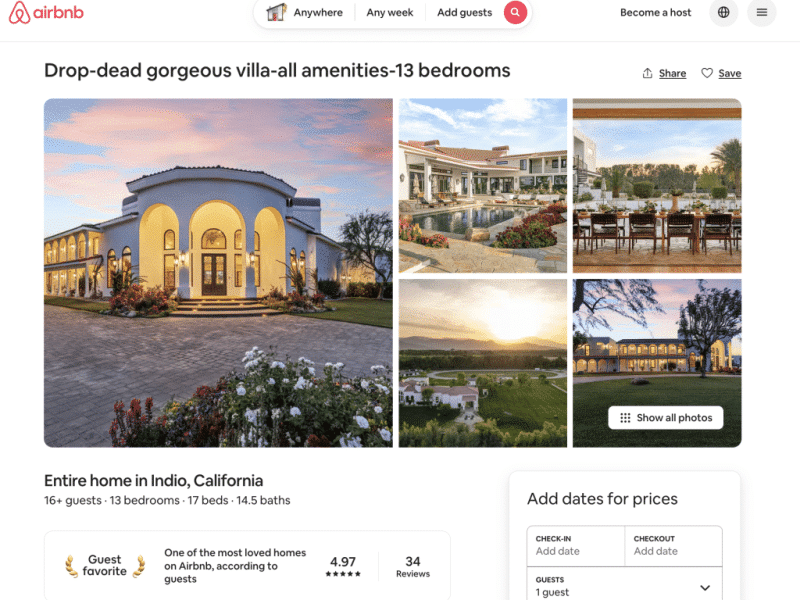
Indio Planning Commission delays vote on residential event ordinance after hours of deliberation
Planning commissioners voted 4-1 to continue the proposed permitting framework for weddings and parties, citing a need for more input from residents and event operators.

Homes in Indio are taking longer to sell than anywhere else in the Coachella Valley
Regional real estate data shows buyers are securing steeper discounts across the valley but overall sales remain 23% below historic averages.

Indio’s first independent bookstore coming to former Oasis on Miles music venue
The store would serve as a community-focused literary and cultural hub, hosting author events and arts programming while offering books and merchandise.