
Indio Planning Commission delays vote on residential event ordinance after hours of deliberation
Planning commissioners voted 4-1 to continue the proposed permitting framework for weddings and parties, citing a need for more input from residents and event operators.
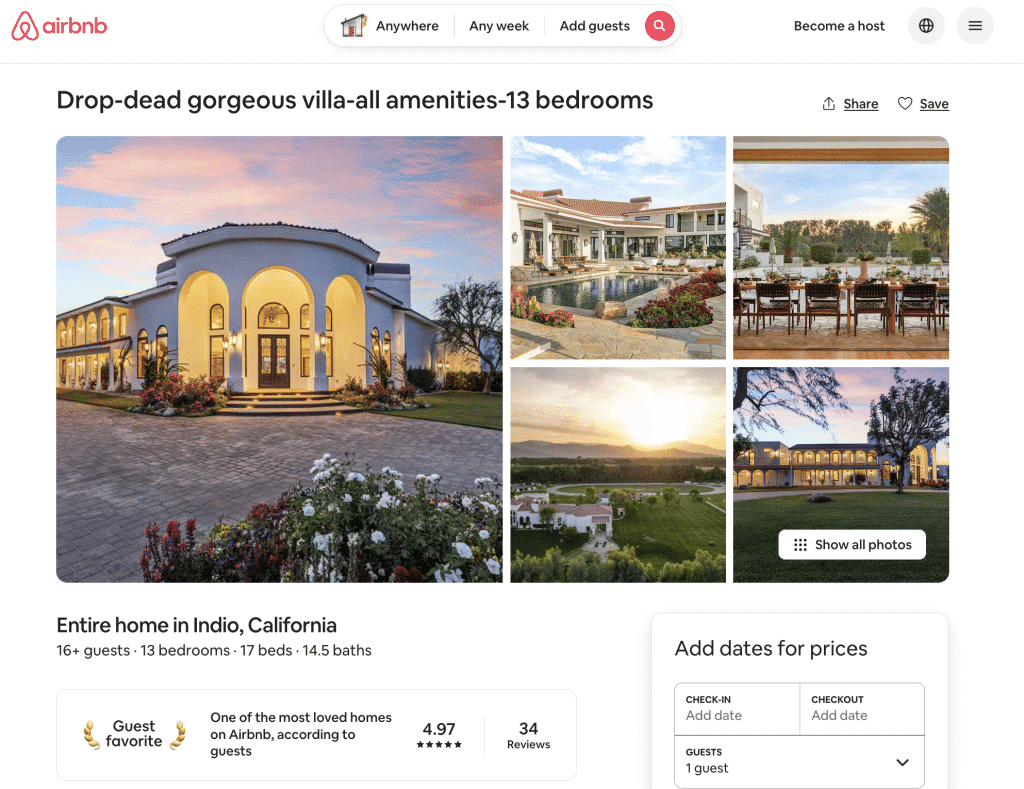
The Indio Planning Commission voted 4-1 late Wednesday to postpone action on a proposed ordinance that would create permit requirements for weddings, parties and other large gatherings in residential neighborhoods, following hours of deliberation and public testimony from residents and event-venue operators.
Commissioners voted to continue the item to a future meeting, citing a need for additional input from residents and event operators before making a recommendation to the City Council. Chairperson Gloria Franz cast the dissenting vote.
The proposed ordinance would add a chapter to the city’s Unified Development Code, establishing permit tiers for events based on lot size, with attendance thresholds ranging from 40 to 200 people depending on a property’s acreage. Related amendments to the city’s noise and short-term rental ordinances were also presented but do not require formal Planning Commission action.
City Attorney Steven Pacifico told commissioners the ordinance package was meant to close gaps in the city’s temporary use permit system, which currently caps most noise-violation fines at $100 and does not require a public hearing for events held in residential zones.
Before the vote, Vice Chair Felipe Ortiz echoed what many members of the public had to say, noting that he felt the proposal was moving too quickly.
“I just feel there’s a little rush,” Ortiz said, adding that he wanted stakeholders who work in the event industry to have a chance to weigh in before the commission forwarded a recommendation to the council.
Commissioners also discussed several possible changes to the draft, including raising the attendance threshold that defines an “ordinary residential gathering” on the smallest qualifying lots from 40 to 50 people, moving the Friday and Saturday event cutoff from 11 p.m. to midnight, and exempting family gatherings such as birthday parties and quinceañeras from the permitting requirement.
They also raised the idea of requiring setbacks between event activity and denser residential zones and creating a chart to help residents determine which permit tier applies to their property.
During public comment, a Trilogy Polo Club resident said the ordinance would allow more events and greater attendance in residential neighborhoods than currently occur, and argued the proposal favors revenue generation over protecting residential character.
Another speaker, who said he operates a five-acre estate that hosts more than 20 weddings a year, asked the city to consider site-specific zoning designations for a small number of large event properties rather than a citywide framework. He said the property would fall into a lower permit tier than expected because of land being taken for a planned road-widening project.
An attorney speaking on behalf of an event-venue property owner on Avenue 50 said the ordinance’s fines and permit-expiration provisions were severe enough to harm compliant, longtime operators along with problem properties. She asked the city to treat an operator’s compliance history as a mitigating factor and to allow a transition period before the rules take effect.
Other property owners who said they host weddings and similar events on their land told commissioners they wanted regulatory certainty and asked the city to apply consistent noise standards across all days of the week rather than varying them by weeknight or weekend.
Pacifico told commissioners the continuance could push back the timeline for having the new permitting framework in place before the city’s next festival season, meaning events in residential zones will continue to be regulated under the existing temporary use permit process in the interim.
Author