
Indio Monroe Street freeway interchange clears milestone as officials set cost-sharing rules for cities
Officials say a major $181 million overhaul of the Interstate 10 interchange at Monroe Street is on track for a January construction launch.
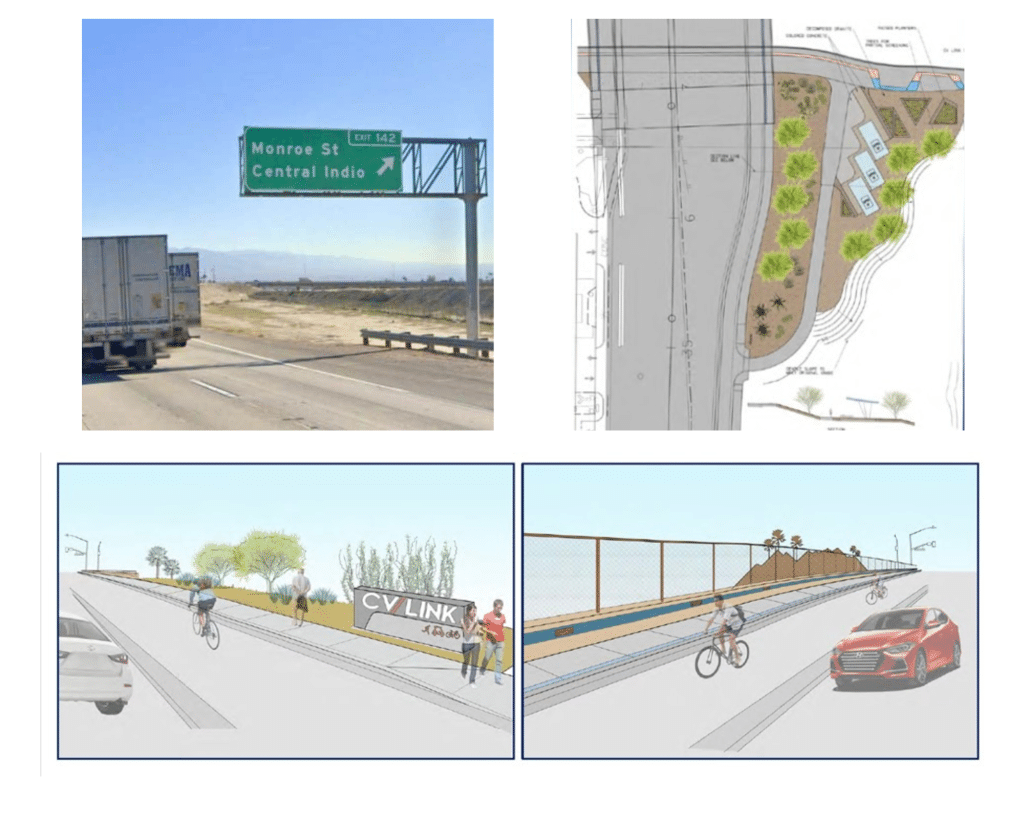
The Coachella Valley Association of Governments (CVAG) approved the methodology that will determine how much each valley city owes toward a $181 million freeway interchange project, though individual cities have not yet signed agreements committing them to specific dollar amounts.
The CVAG executive committee voted unanimously Monday to accept a proportionate share study for the Interstate 10/Monroe Street interchange project. The study sets the formula for dividing the local cost of the project among Coachella Valley cities based on each city’s proportional share of vehicle trips projected to use the interchange.
The vote does not finalize how much each individual city will pay. Formal agreements committing each city to a specific amount will come later this year, after the county awards a construction contract and the association has firmer cost estimates.
Under the proportionate cost share allocation for the Interstate, Indio carries the largest share by a wide margin. The city is responsible for nearly 65% of the local funding total, or about $14.5 million, more than six times the share of the next-largest contributor.
The interchange’s opening year is projected for 2029, following an estimated two-year construction period. County officials expect to advertise the project for construction bids by the end of summer and to begin construction in January 2027.
The total estimated cost of the project is $181 million, covering all phases of construction and development. CVAG has committed $68 million to the project to date, and secured nearly $90 million in outside funding.

The local share, which is calculated at 25% of the project’s cost after external funding is applied, is currently estimated at about $22 million. That total will be divided among cities using the trip-share percentages approved Monday, once binding agreements are drafted.
To decide how much each city should pay toward the local share, the model estimates what percentage of total interchange traffic is linked to each city, then each city pays that same percentage of the $22 million bill. The model tracks where trips start and end. If a trip starts or ends within a given city, that trip counts toward that city’s share.
During discussion, Indian Wells Mayor Toper Taylor questioned the sharp increase in their projected share of trips through the interchange, saying, “From 2023 to 2029, which is six years, it’s going up six times, so I’m just curious. No one else has that kind of increase.”
Mayor Lynn Mallotto of Rancho Mirage had similar complaints, “We did challenge the numbers, and we were concerned. We will not hold up the process, but our city manager had questions about the methodology,” the committee member said. “We’re here to approve this.”
A staff member clarified, “Cities might change over time. There could be growth over here, and somebody who was making a trip through Monroe before might not be making it in the future. We’re not saying that the number of residents in Indian Wells is going to grow by six times, it’s more like the proportion.”
Staff staff did confirm that an error had been identified in the data, but it has since been corrected and did not change the overall totals. “The overall amount and the methodology is exactly the same.”
With the formula now approved, the association’s next step is to return to member cities once the county awards a construction contract this fall and draft the individual agreements dividing the local funding share among the jurisdictions.
Author

Related Articles

Indio Sustainability Commission questions outreach efforts ahead of mandatory state turf-watering bans
A new state law will ban drinking water for decorative turf at businesses, HOAs and public sites, and Indio officials are under pressure to prepare before public properties face the rule in 2027.
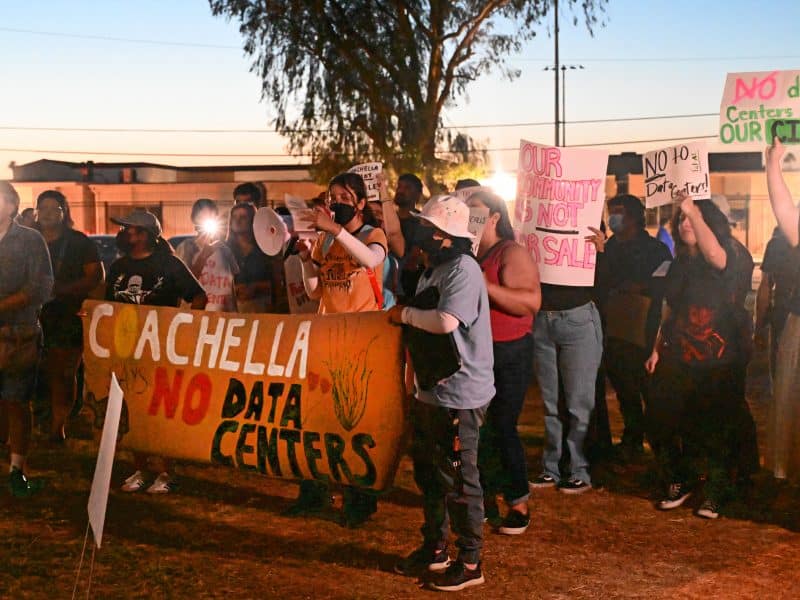
Indio Planning Commission recommends ban on data centers
The 5-0 vote puts the ban on course for council consideration before a 45-day moratorium expires July 18, as residents called on Indio to lead the Coachella Valley in rejecting the facilities.

Indio extends gas station moratorium for one year, holds off on permanent rules
Indio leaders just extended a temporary freeze on new stations until next summer, hitting the brakes on a permanent law so they can debate stricter neighborhood buffers and wait for a new city council to take office.