
Airport sees domestic growth offset Canadian flight reductions
The region’s airport set five monthly records in 2025, with March recording nearly half a million passengers as the busiest month ever. All months except October showed year-over-year growth.
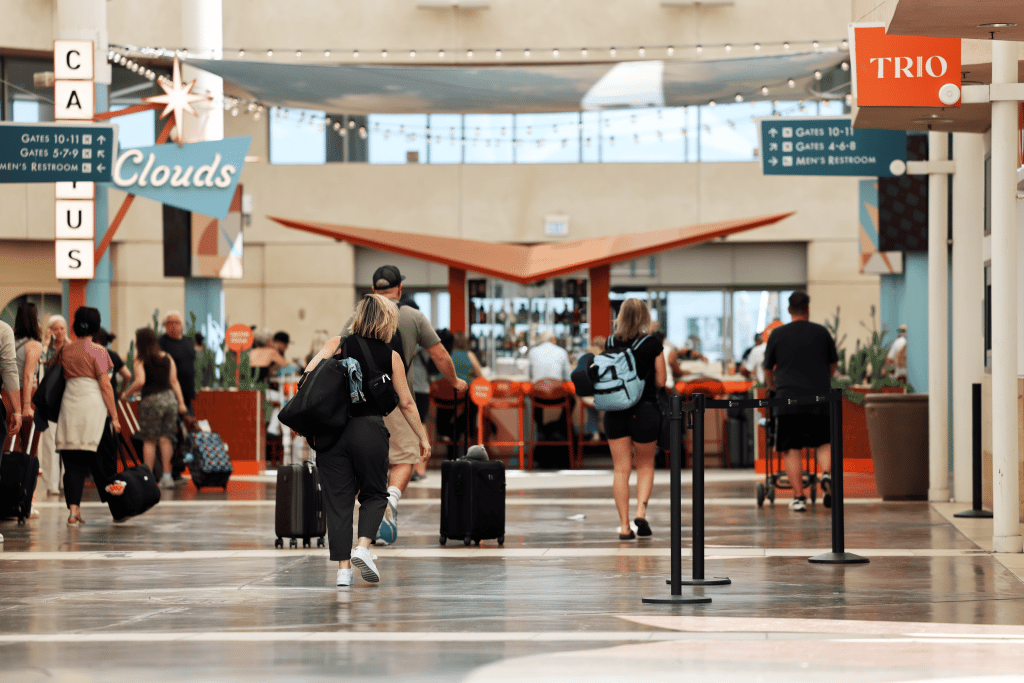
Palm Springs International Airport is experiencing continued growth in domestic travel that more than compensates for modest reductions in Canadian flight capacity, according to information presented at the latest Airport Commission meeting.
Canadian flight capacity to the airport is scheduled to decline in early 2026, with arriving Canadian seats down 5% in January and 17% in February compared to the previous year. The February reduction amounts to just under one fewer flight per day, according to airport spokesperson Jake Ingrassia.
Canadian visitors were upset with President Donald Trump earlier this year after he labeled Canada a “major security threat” under Section 232 trade rules — an action that imposed tariffs and created backlash across Canada.
Many Canadians, who make up a large share of winter visitors in the Palm Springs area, viewed the move as an insult. In response, some publicly vowed not to return to the Coachella Valley, saying they didn’t want to spend tourism dollars in a country whose leadership treated Canada as an adversary.
Coachella Valley leaders, airport officials, and local businesses responded by launching marketing efforts to clearly communicate that Canadians were welcome in the region.
Despite the slight Canadian pullback, the airport’s overall performance remains strong. October passenger traffic was essentially flat at down 0.26% year over year, while year-to-date passengers through October were up 3.6%.
“The narrative we are seeing here is that Canadian arrivals are down but only fractionally, while PSP’s domestic growth is more than offsetting the difference,” Ingrassia said.

The airport set five monthly records in 2025, with March recording nearly half a million passengers as the busiest month ever. All months except October showed year-over-year growth.
Domestic flight capacity is scheduled to increase 5.4% in January and 2% in February, continuing to offset the modest Canadian reductions.
Ingrassia noted that both January and February 2026 still compare favorably to 2024 levels, with January ahead and February only slightly below two years prior. The Canadian reductions in peak months amount to roughly one fewer arriving flight per day.
If the airport meets last year’s numbers for the remaining months, 2025 will mark another record year for the facility.
Author

Related Articles

Indio 2025 Year in Review: Our top 5 stories
From downtown momentum to neighborhood disputes, these stories defined what Indio Post readers cared about most.
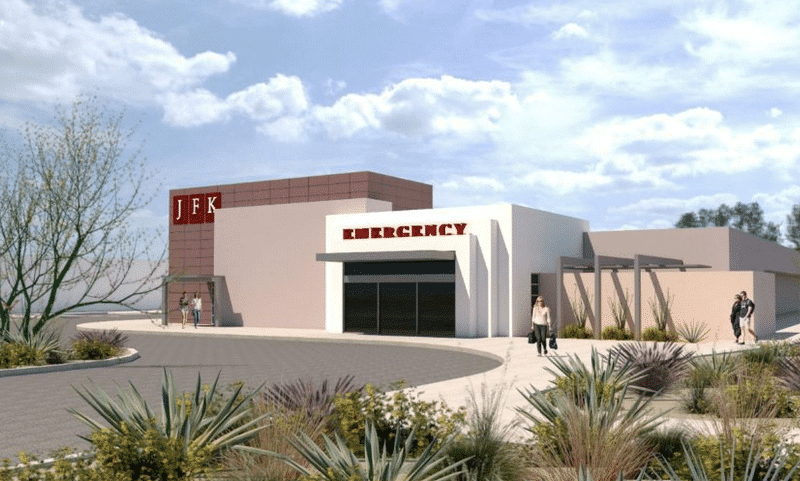
Kimberly Barraza to lead Desert Healthcare District Board in 2026 as JFK gears up for renovations
JFK Memorial Hospital is slated for $60 million in renovations, much of it focused on the emergency department.
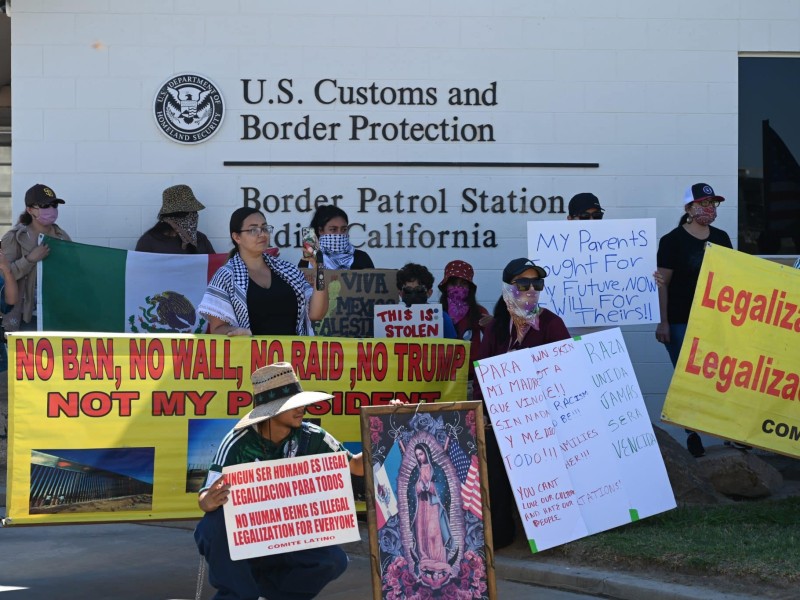
Divided Indio City Council votes to request federal immigration enforcement data
Indio City Council voted 3-2 to send a FOIA request to federal authorities seeking information about immigration arrests in Indio.