
Indio’s new wildlife center already busy treating injured desert animals
Just days after officially opening, two birds were treated at the new Desert Wildlife Center in Indio.

The Desert Wildlife Center has begun accepting its first patients soon after receiving final state approval, with injured birds already arriving at the Coachella Valley’s only certified wildlife rehabilitation facility.
On one of its first official days of operation, the Desert Wildlife Center was already hard at work with two patients. The first, a baby sparrow that fell from a palm tree, was found to be mostly uninjured. His chirps were heard through the ventilated shoebox he arrived in.
The second, a Eurasian collared dove, needed some more attention after it flew into a window.
“There could be head trauma, we know this bird has a history of not being able to fly,” said Mikah Curtis, director of the Desert Wildlife Center and a registered veterinary technician. “It could be a broken wing, but I didn’t feel any breaks in the shoulder.”
The dove was a bit on the skinny side, and Curtis said it will need some fluids and nutrition as well as pain medication and rest to heal up.
“We had these two patients already,” Curtis said while preparing treatment for the dove at the Indio facility. “We definitely still want to be triaging over the phone so we’re not kind of overwhelming us,” he said, referring to the center’s wildlife helpline staffed by volunteers.
One of the most common calls comes from people worried about a baby bird on the ground. Curtis said in almost every case, it’s better to leave the bird alone if it appears uninjured and wait for the parents to come for it.
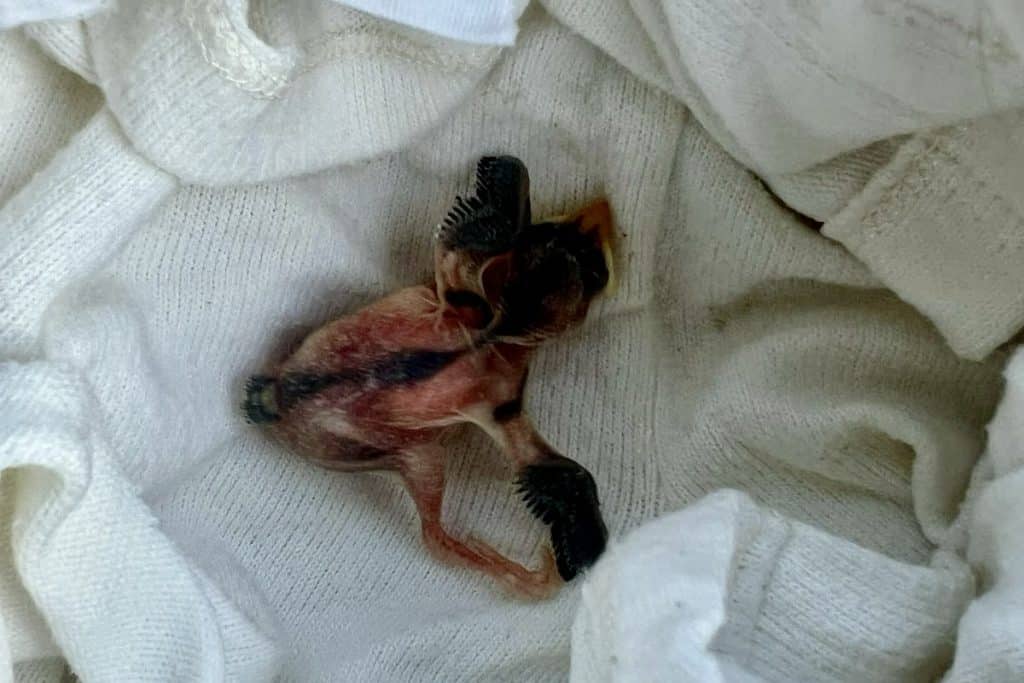
In the case of the baby sparrow treated at the center, the sparrow was extremely young and at the location where it was found is frequented by dogs so their advice was to bring the chick in.
The center, a renovation of the former Wild Bird Center that closed in 2023, operates strict biosecurity protocols to prevent disease transmission between animals and staff. Curtis emphasizes that the center is not a zoo or even open to the public.
“This is a hospital, right?” Curtis said. “It wouldn’t even be fun to go see sick animals. They need a quiet, safe space to heal.”
Greater Palm Springs Animal Allies, the nonprofit organization operating the center, expects annual operational costs between $400,000 and $600,000. The organization relies on donations and grants to fund the specialized medical equipment, medications and staff needed to treat injured wildlife.
Before the Desert Wildlife Center, the nearest alternative certified wildlife rehabilitation facility operated in Cherry Valley, requiring valley residents to transport injured animals significant distances for care. The Living Desert in Palm Desert previously offered wildlife rehabilitation services but now focuses exclusively on desert tortoise rescues.
Author

Related Articles

Indio police to get more drones for CV Link patrols
The extra drones come amid a valley-wide push for more surveillance tech like Flock cameras.

Indio targets $27.5M state grant for solar homes, EV chargers, and new trails
After a failed earlier bid, Indio is revamping its strategy for a multimillion-dollar state climate grant that could fund solar, EV charging, walking trails and other green projects.
Riverside County approves $10.3 billion budget, drawing on reserves as departments warn of funding gaps
From pauses in hiring countywide to the future of senior meal programs, Riverside County’s newly approved $10.3 billion budget reveals how deep funding gaps will force tough choices on local services.